

Understanding Osteopathy: Benefits for Your Musculoskeletal Health

Osteopathy is a holistic approach to healthcare that focuses on the musculoskeletal system and its impact on overall health. Many people are unaware of the benefits that osteopathy can provide, especially when it comes to managing pain and improving mobility. In this blog post, we will explore what osteopathy is, how it works, and the various benefits it offers for your musculoskeletal health.
What is Osteopathy?
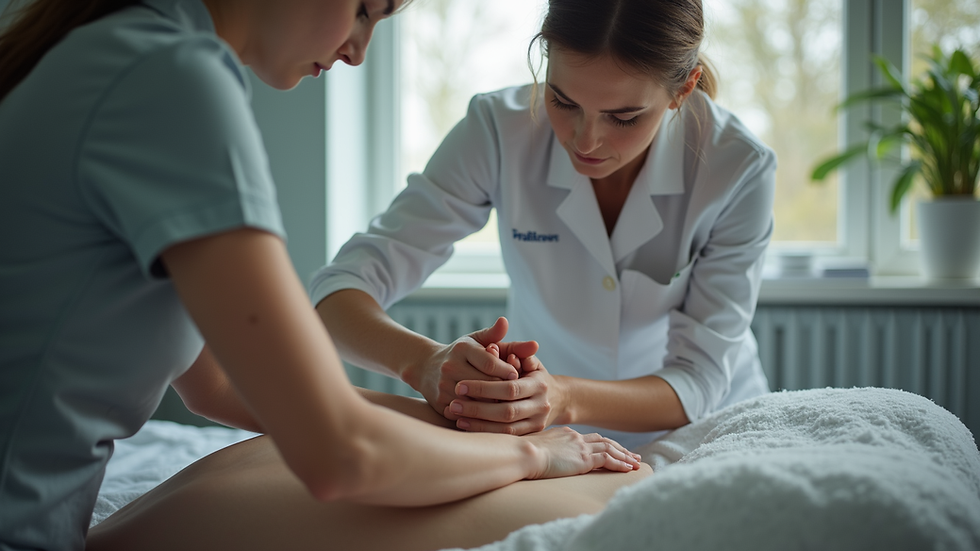
Osteopathy is a form of manual therapy that emphasizes the interrelationship between the body's structure and function. Practitioners, known as osteopaths, use a variety of techniques to diagnose and treat conditions affecting the musculoskeletal system. This includes the bones, muscles, ligaments, and connective tissues.
The Principles of Osteopathy
Osteopathy is based on several key principles:
The Body is a Unit: Osteopaths believe that the body functions as a whole, and any dysfunction in one part can affect the entire system.
Structure and Function are Interrelated: The way the body is structured influences how it functions. Osteopaths assess both to identify issues.
The Body Has Self-Healing Mechanisms: Osteopathy promotes the body’s natural ability to heal itself through proper alignment and function.
Treatment is Individualized: Each patient is unique, and osteopaths tailor their treatments to meet individual needs.
How Does Osteopathy Work?
Osteopathy employs a range of hands-on techniques to treat various conditions. These techniques may include:
Soft Tissue Manipulation: This involves stretching and massaging muscles and connective tissues to relieve tension and improve circulation.
Joint Mobilization: Gentle movements are applied to joints to enhance their range of motion and reduce stiffness.
Cranial Osteopathy: A subtle technique that focuses on the skull and its influence on the nervous system.
Visceral Manipulation: This technique addresses the internal organs and their surrounding tissues to improve function and alleviate pain.
Osteopaths conduct a thorough assessment, which may include physical examinations and discussions about your medical history. Based on this evaluation, they develop a personalized treatment plan aimed at addressing your specific concerns.
Benefits of Osteopathy for Musculoskeletal Health
Osteopathy offers numerous benefits for individuals dealing with musculoskeletal issues. Here are some of the most significant advantages:
Pain Relief
One of the primary reasons people seek osteopathic treatment is for pain relief. Osteopaths can help alleviate pain caused by:
Chronic Conditions: Conditions such as arthritis, fibromyalgia, and chronic back pain can be managed effectively through osteopathic techniques.
Acute Injuries: Osteopathy can aid in recovery from sports injuries, strains, and sprains by promoting healing and reducing inflammation.
Improved Mobility
Osteopathy can enhance your range of motion and flexibility. By addressing restrictions in the musculoskeletal system, osteopaths help patients regain mobility, which is especially beneficial for those recovering from injuries or surgeries.
Enhanced Posture
Poor posture can lead to various musculoskeletal problems, including back and neck pain. Osteopaths assess your posture and provide guidance on how to improve it through exercises and manual therapy. Better posture can lead to reduced pain and improved overall health.
Stress Reduction
Osteopathy not only addresses physical issues but also promotes relaxation and stress relief. The hands-on techniques used in osteopathy can help reduce muscle tension and promote a sense of well-being, which is essential for overall health.
Holistic Approach
Osteopathy takes a holistic view of health, considering not just the physical aspects but also emotional and lifestyle factors. This comprehensive approach allows osteopaths to provide well-rounded care that addresses the root causes of issues rather than just the symptoms.
Conditions Treated by Osteopathy
Osteopathy can be beneficial for a wide range of conditions, including:
Back Pain: Osteopathy is particularly effective for managing both acute and chronic back pain.
Neck Pain: Techniques used in osteopathy can relieve tension and improve mobility in the neck.
Headaches and Migraines: Osteopathic treatment can help reduce the frequency and intensity of headaches.
Joint Pain: Conditions such as osteoarthritis and tendonitis can be managed through osteopathic care.
Sports Injuries: Osteopathy can aid in the recovery and rehabilitation of sports-related injuries.
What to Expect During an Osteopathic Session
If you decide to visit an osteopath, here’s what you can expect during your first session:
Initial Consultation: The osteopath will ask about your medical history, lifestyle, and specific concerns. This helps them understand your unique situation.
Physical Examination: The osteopath will conduct a physical examination to assess your posture, movement, and any areas of discomfort.
Treatment Plan: Based on the assessment, the osteopath will develop a personalized treatment plan that may include manual therapy, exercises, and lifestyle recommendations.
Hands-On Treatment: The osteopath will use various techniques to address your concerns, focusing on relieving pain and improving function.
Follow-Up: Depending on your condition, follow-up sessions may be recommended to monitor progress and adjust the treatment plan as needed.
Osteopathy vs. Other Therapies
While osteopathy shares similarities with other forms of manual therapy, such as chiropractic care and physiotherapy, there are key differences:
Chiropractic Care: Chiropractors primarily focus on spinal alignment and the nervous system. Osteopaths take a more holistic approach, considering the entire body.
Physiotherapy: Physiotherapists often focus on rehabilitation and exercise programs. Osteopaths incorporate manual therapy techniques alongside rehabilitation.
Who Can Benefit from Osteopathy?
Osteopathy is suitable for individuals of all ages, from infants to the elderly. It can be particularly beneficial for:
Athletes: To enhance performance and recover from injuries.
Office Workers: To address issues related to prolonged sitting and poor posture.
Pregnant Women: To alleviate discomfort associated with pregnancy.
Elderly Individuals: To improve mobility and manage age-related conditions.
Conclusion
Osteopathy is a valuable approach to maintaining and improving musculoskeletal health. With its focus on the body's structure and function, osteopathy offers a range of benefits, from pain relief to enhanced mobility. If you are experiencing musculoskeletal issues or simply want to improve your overall health, consider consulting an osteopath to explore how this holistic approach can support your well-being.
By understanding the principles and benefits of osteopathy, you can make informed decisions about your health and take proactive steps toward a healthier, more active lifestyle. Whether you are dealing with chronic pain or looking to improve your posture, osteopathy may provide the support you need to achieve your health goals.

Comments