

Gait Analysis: Improve Your Movement and Posture Effectively

Understanding how we move is essential for enhancing our physical performance and overall well-being. Gait analysis is a powerful tool that can help identify movement patterns, improve posture, and prevent injuries. Whether you're an athlete looking to optimize your performance or someone seeking to alleviate discomfort, understanding gait analysis can lead to significant improvements in your daily life.
What is Gait Analysis?
Gait analysis is the systematic study of human walking patterns. It involves observing and measuring various aspects of movement, including speed, rhythm, and biomechanics. This analysis can be performed in various settings, from clinical environments to sports facilities, and can utilize advanced technology such as motion capture systems and pressure sensors.
Why is Gait Analysis Important?
Injury Prevention: By identifying abnormal movement patterns, gait analysis can help prevent injuries before they occur. For instance, runners may benefit from understanding how their foot strikes impact their knees and hips.
Performance Enhancement: Athletes can use gait analysis to refine their techniques, leading to improved performance. Small adjustments in running form can result in significant gains in speed and efficiency.
Rehabilitation: For individuals recovering from injuries, gait analysis can provide valuable insights into their recovery process. It helps therapists tailor rehabilitation programs to address specific movement deficiencies.
Posture Improvement: Poor posture can lead to a host of issues, including back pain and decreased mobility. Gait analysis can identify postural imbalances and guide corrective measures.
How Gait Analysis Works
Gait analysis typically involves several steps:
1. Initial Assessment
The process begins with a thorough assessment of the individual’s medical history, lifestyle, and specific concerns. This information helps practitioners understand the context of the analysis.
2. Observation
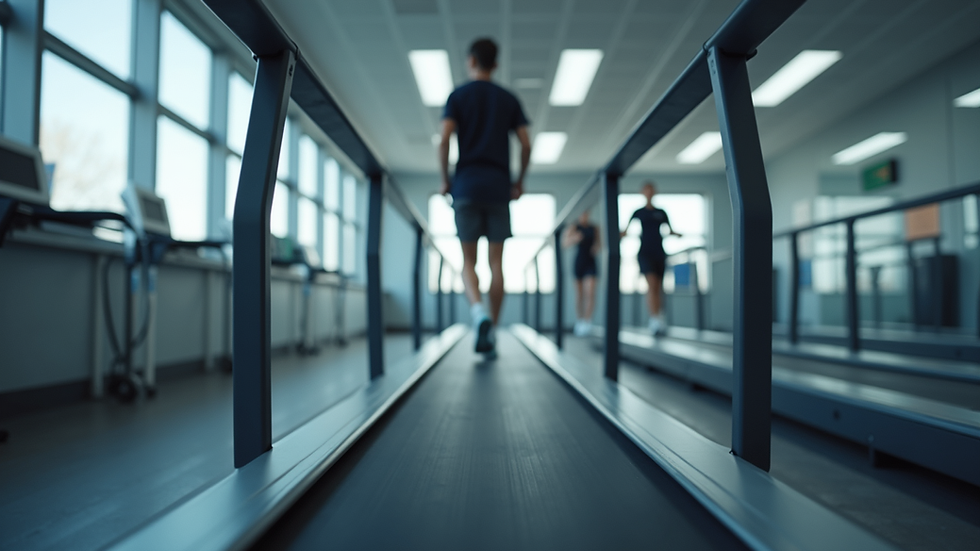
Next, the individual walks or runs on a treadmill or overground while being observed. Practitioners look for key indicators such as stride length, cadence, and foot placement.
3. Data Collection
Using technology, data is collected to analyze various aspects of gait. This may include:
Motion Capture: Cameras track the movement of markers placed on the body.
Force Plates: These measure the pressure exerted by the feet during walking or running.
Video Analysis: Slow-motion video can reveal subtle movement patterns.
4. Analysis and Interpretation
The collected data is analyzed to identify any abnormalities or inefficiencies in movement. Practitioners will look for:
Asymmetries: Differences in movement between the left and right sides of the body.
Joint Angles: How joints move during different phases of the gait cycle.
Foot Strike Patterns: Whether the individual lands on the heel, midfoot, or forefoot.
5. Recommendations
Based on the analysis, practitioners provide recommendations for improvement. This may include exercises, stretches, or adjustments to footwear.
Common Gait Issues and Their Solutions
Overpronation
Description: Overpronation occurs when the foot rolls inward excessively during walking or running. This can lead to various injuries, including shin splints and plantar fasciitis.
Solution: Strengthening the muscles of the foot and ankle, along with using supportive footwear, can help correct this issue.
Supination
Description: Supination, or underpronation, happens when the foot rolls outward. This can lead to ankle sprains and knee pain.
Solution: Individuals may benefit from specific exercises to strengthen the foot and ankle, as well as choosing shoes designed for stability.
Shortened Stride Length
Description: A shortened stride can indicate a lack of strength or flexibility, often leading to inefficient movement and fatigue.
Solution: Stretching and strengthening exercises can help improve stride length, enhancing overall efficiency.
Asymmetrical Gait
Description: An asymmetrical gait can result from previous injuries or muscle imbalances, leading to increased risk of injury.
Solution: Targeted rehabilitation exercises can help restore balance and symmetry in movement.
The Role of Technology in Gait Analysis
Advancements in technology have revolutionized gait analysis, making it more accessible and accurate. Some of the key technologies include:
Motion Capture Systems
These systems use cameras and sensors to track movement in real-time. They provide detailed data on joint angles and movement patterns, allowing for precise analysis.
Wearable Devices
Wearable technology, such as smart insoles and fitness trackers, can monitor gait in everyday settings. This data can be invaluable for ongoing assessments and adjustments.
Mobile Apps
Several mobile applications now offer gait analysis features, allowing users to analyze their walking or running patterns conveniently. These apps often provide feedback and recommendations based on the data collected.
Practical Applications of Gait Analysis
For Athletes
Athletes can benefit significantly from gait analysis by:
Improving Technique: Fine-tuning running form can lead to better performance and reduced injury risk.
Customizing Training: Tailoring training programs based on individual movement patterns can enhance results.
For Rehabilitation
Individuals recovering from injuries can use gait analysis to:
Monitor Progress: Regular assessments can track recovery and adjust rehabilitation programs as needed.
Prevent Recurrence: Understanding movement patterns can help prevent future injuries.
For Everyday Life
Even those not involved in sports can benefit from gait analysis by:
Enhancing Posture: Identifying and correcting postural issues can lead to improved comfort and reduced pain.
Improving Mobility: Better movement patterns can enhance overall mobility and quality of life.
Conclusion
Gait analysis is a valuable tool for anyone looking to improve their movement and posture. By understanding how we walk and run, we can make informed decisions about our health and performance. Whether you are an athlete, recovering from an injury, or simply looking to enhance your daily movements, gait analysis offers insights that can lead to significant improvements.
Take the next step towards better movement by considering a gait analysis today. It could be the key to unlocking your full potential.
Comments